Introduction: The Gateway Between Two Islands
Between the gentle curve of Bali’s Gilimanuk coast and the eastern edge of Java lies a bustling yet unassuming hub — Ketapang Port. For many, it’s simply a stopover, a point of transit between two famed Indonesian islands. But pause for a moment, and you’ll see it’s much more than that. Here, ferries come and go in an endless rhythm, carrying not just passengers and vehicles but stories, cultures, and livelihoods.
A Brief History of Ketapang Port
Ketapang’s roots trace back to a time when inter-island travel was limited to small fishing boats and rudimentary docks. As trade between Bali and Java grew, so did the need for a reliable crossing point.
Over the decades, the port evolved from a modest pier into a full-fledged maritime gateway, equipped to handle thousands of passengers daily. Today, it’s a vital link in Indonesia’s transport network, fueling commerce and tourism alike.

Where is Ketapang Port and How to Get There
Ketapang Port sits in Banyuwangi, East Java — just a short ferry ride from Gilimanuk Port in West Bali. The connection is straightforward: from Denpasar, Canggu, or Ubud, you’ll journey overland to Gilimanuk (roughly 3–4 hours), then board a ferry for the 45-minute crossing.
The ferries run around the clock, making it possible to travel any time of day or night. For first-time visitors, arriving early can help you avoid long queues, especially during peak holiday seasons.

Ferry Experience Across the Bali Strait
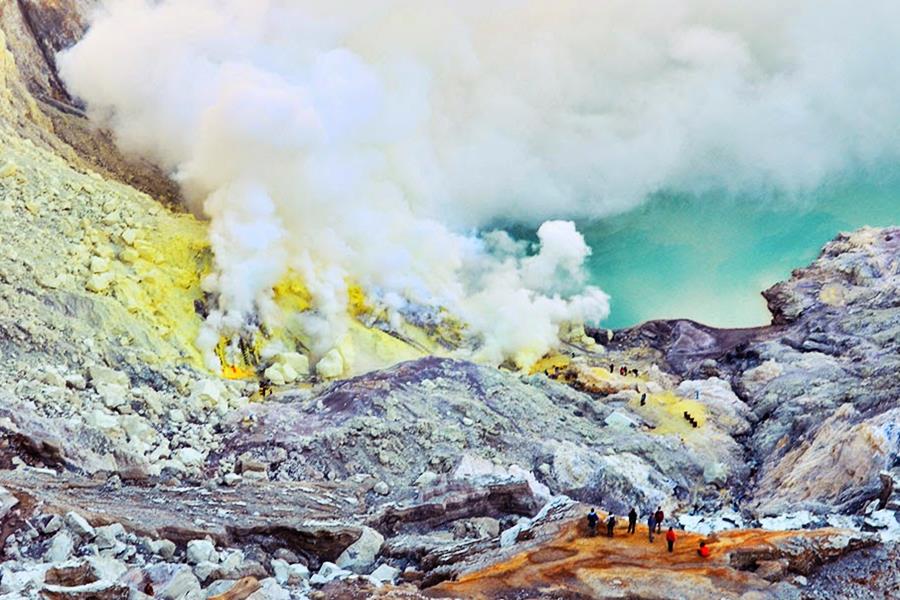
The ferry ride is an experience in itself. As you depart Gilimanuk, Bali’s volcanic peaks fade behind you, replaced by the rising silhouette of East Java’s rugged coastline. On a clear day, you might spot the majestic Mount Ijen in the distance.
The crossing is typically calm, with ferries equipped to carry both foot passengers and vehicles. Tickets are affordable — often under a few dollars — and schedules are frequent enough to keep waiting times short.

Facilities and Services at Ketapang Port
Upon arrival, you’ll find a range of facilities to ease your journey. Waiting halls provide shelter from the tropical heat, while small eateries serve coffee, snacks, and local specialties.
Ticket counters are clearly marked, and local transport — from motorbike taxis to buses — is readily available. Accessibility features have improved in recent years, making the port easier to navigate for travelers with mobility needs.
Why Ketapang Port Matters for Travelers
For adventurous travelers, Ketapang is more than a transit point — it’s a launchpad to East Java’s treasures. From here, you can set out to conquer the ethereal blue flames of Mount Ijen, marvel at the sunrise over Mount Bromo, or explore the wild beauty of Baluran National Park.
Culturally, Ketapang is where Bali’s Hindu traditions meet Java’s rich Islamic and indigenous influences, creating a fascinating blend of customs, languages, and flavors.
Nearby Attractions Worth Exploring
If you have time before moving on, Banyuwangi offers plenty to see. Relax on the pristine sands of Pulau Merah Beach, wander through traditional markets, or sip freshly brewed coffee from local plantations. For nature lovers, the region’s waterfalls and national parks provide a welcome detour from the main tourist trail.
Travel Tips for a Hassle-Free Journey
Travel early in the morning or late at night to avoid crowds, especially during national holidays. Keep an eye on weather conditions — the Bali Strait can get choppy during monsoon months. Bring small change for tickets and snacks, and pack reef-safe sunscreen if you’re planning side trips to coastal areas. Most importantly, travel responsibly: dispose of waste properly, support local businesses, and respect cultural norms.
Conclusion: More Than Just a Port
Ketapang Port is more than a waypoint between Bali and Java — it’s a living, breathing connection between two distinct worlds. It embodies movement, exchange, and discovery.
Treat it not just as a crossing but as the opening chapter to an East Javan adventure, and you’ll see that the journey itself can be just as memorable as the destination.